Maintaining metal gutters is essential to protect your home from water damage and ensure effective roof drainage. Whether you have aluminum, copper, galvanized steel, or zinc gutters, knowing how to repair and patch them can save costly replacements down the road. This comprehensive guide explores common gutter damages, inspection methods, materials, and proven repair techniques to empower both DIY homeowners and property managers. We'll also cover when to seek professional help and offer maintenance tips that extend your gutter's lifespan.
1. Identifying Common Types of Damage Affecting Metal Gutters
Metal gutters face a variety of challenges over time due to weather exposure and debris accumulation. Recognizing these issues early helps prevent extensive damage.
- Corrosion and Rust Spots: Metal gutters often develop localized rust, especially where protective coatings wear off, compromising structural integrity. Holes and Punctures: Sharp debris or prolonged wear can cause holes, leading to leaks and water damage around your home’s foundation. Cracks and Seam Separations: Weather cycles cause expansion and contraction, which may open seams or cracks along joints and edges. Sagging Gutters: Loose or damaged gutter hangers and fascia deterioration cause gutters to sag, disrupting proper water flow. Clogged Gutters: Leaves, twigs, and debris block gutters and downspouts, causing overflow and potential water damage. Dents and Physical Damage: Storms, ladder mishaps, or falling branches can dent metal gutters, affecting appearance and functionality.
2. Conducting a Thorough Inspection of Metal Gutters Before Repair
Before patching or repairing, a detailed gutter inspection allows identification of all damage areas and potential risks.
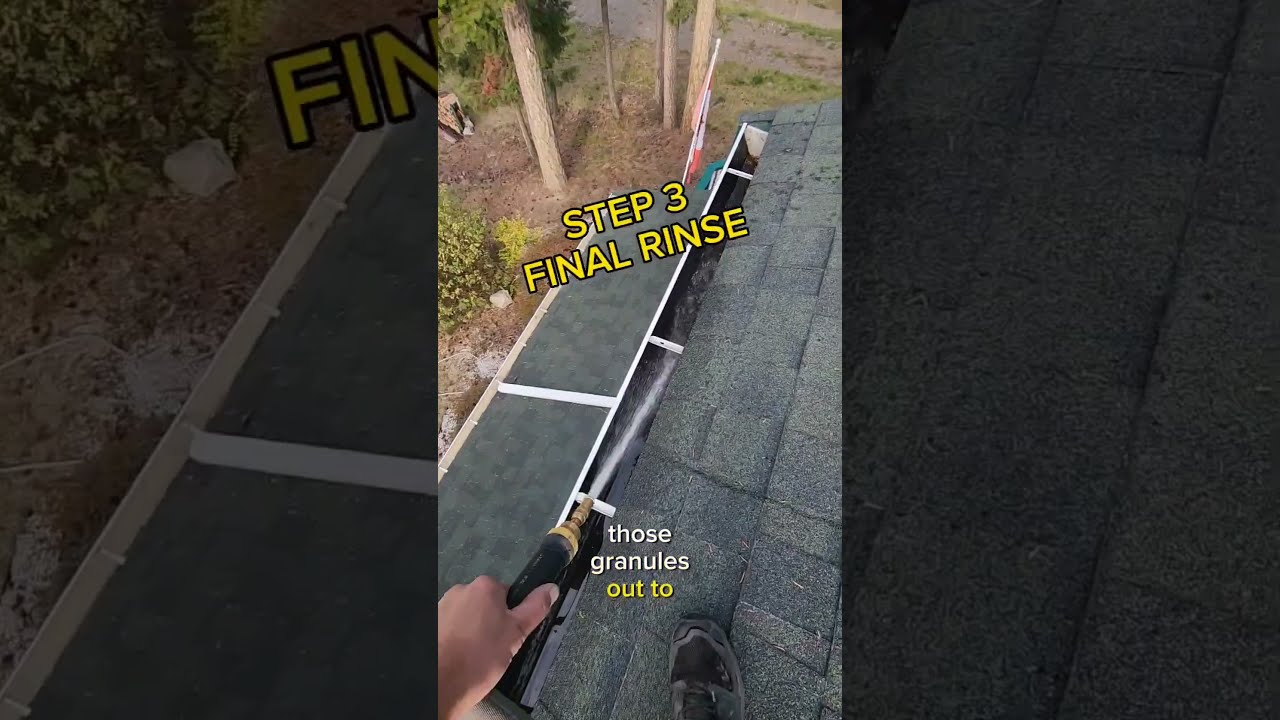
- Visual Inspection: Examine seams, edges, and the full gutter length for rust spots, holes, or cracks. Look for discoloration, water streaks, or pooling beneath gutters. Water Flow Test: Run water through gutters using a hose to detect leaks and pinpoint clogged sections disrupting drainage. Check Hangers and Fasteners: Ensure all gutter hangers, screws, and brackets securely hold gutters in place without sagging. Downspout Assessment: Inspect downspouts for blockages or damage affecting overall system efficiency. Safety Measures: Use sturdy ladders with stabilizers, wear gloves and goggles, and never attempt repairs during adverse weather.
3. Essential Materials and Tools for Metal Gutter Patching
Having the right materials and tools tailored to your gutter type ensures effective and durable repairs.
- Metal Patches: Use patches matching your gutter material (aluminum, copper, galvanized steel) for compatibility and corrosion resistance. Gutter Sealants and Caulk: Waterproof sealants designed for gutters provide flexible, watertight seals for small cracks and leaks. Soldering or Welding Equipment: Copper requires soldering for seam repairs; steel gutters may benefit from welding for larger fixes—both need expertise. Rivets, Screws, and Fasteners: Mechanical fasteners secure patches and reinforce weakened sections for added strength. Cleaning Tools: Wire brushes and sandpaper remove rust and debris before applying patches or sealants. Safety Gear: Gloves, eye protection, ladder stabilizers, and possibly a harness for roof access ensure safe work conditions.
4. Proven Techniques for Repairing Seams and Holes in Metal Gutters
Proper preparation and technique determine the longevity of gutter repairs and help maintain your home’s defenses against water damage.
Check out the post right here- Cleaning and Surface Prep: Remove rust, dirt, and old paint using wire brushes or sandpaper to create a clean base for patching. Metal Patching: Cut a metal patch slightly larger than the hole. Attach it over the damaged spot using rivets or corrosion-resistant screws ensuring a snug fit to prevent water intrusion. Sealing Small Cracks: Apply gutter sealant or waterproof caulk generously along cracks or seam separations for flexible waterproofing. Soldering Copper Gutters: Clean seam areas and use a soldering iron with appropriate flux and solder to create a durable, watertight bond ideal for copper gutters. Welding Steel Gutters: For sizable holes or structural damage, welding provides a permanent fix but generally requires professional skills and equipment. Section Replacement: When damage is widespread or patches impair gutter functionality, replacing entire sections may be more cost-effective and durable.
5. Addressing Rust Repair and Corrosion on Metal Gutters
Combating corrosion early prevents gutter failure and prolongs service life.
- Rust Removal: Use wire brushes, sandpaper, or chemical rust removers to eliminate rust spots thoroughly before repair. Priming: Apply rust-inhibiting primers compatible with metal types to halt further corrosion progression. Painting and Protective Coatings: High-quality exterior paints or clear protective coatings shield gutters from moisture and UV damage. Routine Maintenance: Regular cleaning and inspection help spot rust and seal potential weak points promptly.
6. Fixing Sagging Gutters and Optimizing Slope for Proper Drainage
Sagging gutters can lead to pooling water and foundation damage, so restoring correct pitch and support is vital.
- Tighten or Replace Hangers: Secure loose fasteners or install new gutter hangers spaced every 24-36 inches for adequate support. Fascia Repair: Reinforce or replace damaged fascia boards that hold gutter hangers to ensure stable mounting. Adjusting Gutter Pitch: Maintain a slope of approximately 1/4 inch per 10 feet toward downspouts to encourage water flow and prevent standing water. Using Shims or Spacers: Insert shims under hangers where necessary to fine-tune gutter slope without removing installed sections. Downspout Alignment: Check and clear downspouts to reduce pressure buildup that exacerbates gutter sagging.
7. Determining When to Choose Professional Gutter Repair Over DIY
Knowing your limits and evaluating the complexity of gutter damage ensures safety and effective outcomes.
- Complex Repairs: Welding steel gutters or major fascia and soffit repairs typically require professional roofing contractors with specialized tools. Tool Availability: Soldering irons, welding gear, and precise fasteners may not be accessible or easy to use for casual DIYers. Safety Considerations: Working on roofs involves fall hazards; professionals follow strict safety protocols and possess experience in elevated repairs. Cost-Benefit Analysis: Weigh material costs, time investment, and long-term durability; sometimes hiring experts can save money by preventing repeat fixes. Holistic Inspections: Professionals identify related roofing or soffit issues often unnoticed by homeowners, preventing broader water damage.
8. Proven Maintenance Practices to Extend the Lifespan of Metal Gutters
Preventive care minimizes repair frequency and preserves gutter functionality.
- Schedule regular gutter cleaning every spring and fall to remove leaves and debris blocking water flow. Install leaf guards or gutter guards to reduce clog buildup and standing water that promote corrosion. Perform seasonal inspections focusing on rust-prone areas, fastener tightness, and downspout functionality. Promptly address minor leaks or dents before they evolve into more severe issues.
9. Understanding the Impact of Gutter Guards and Leaf Guards on Repair Needs
Gutter guards help maintain gutter performance by reducing repair demands caused by clogs and water buildup.
- By preventing debris accumulation, gutter guards lower the risk of blockages that cause overflow and rusting. The reduced standing water also decreases corrosion chances, extending metal gutter life. Select guard materials compatible with your gutter type—for example, aluminum guards for aluminum gutters—to avoid galvanic corrosion.
Frequently Asked Questions About Metal Gutter Repair and Patching
1. How long does a metal gutter repair typically last?
With gutter cleaning and repair houston proper prep and quality materials, repairs can last 5-10 years or longer Go to the website depending on environmental factors and maintenance.
2. Can I patch metal gutters without removing them from the house?
Yes, many repairs can https://www.storeboard.com/blogs/affiliate-marketing/expert-commercial-building-gutter-cleaning-services-in-2025/6278189 be performed in place, but severe damage might require section removal for thorough fixes.
3. What is the best sealant for metal gutter leaks?
Use high-quality, exterior-grade silicone or polyurethane gutter sealants designed specifically for metal applications.
4. How do I know if my gutters need patching or full replacement?
Extensive rust, widespread holes, sagging beyond repair, or multiple leaks usually indicate replacement is more practical.
5. Are copper gutters easier to repair than aluminum?
Copper gutters respond well to soldering, which creates durable repairs, but they typically cost more. Aluminum patches and sealants are simpler for DIY but may be less durable.
6. Can rusted gutters be saved, or should they be replaced?
Minor surface rust can be treated effectively; however, extensive corrosion weakening structural integrity requires replacement.
7. How can I prevent sagging gutters in the future?
Properly spacing strong hangers, maintaining fascia condition, and ensuring correct gutter slope greatly reduce sag risk.
8. What safety precautions should I take when repairing gutters?
Always use stable ladders with stabilizers, wear gloves and eye protection, avoid windy or wet conditions, and consider a harness for roof work.
9. Is soldering necessary for all metal gutter repairs?
No. Soldering is primarily for copper gutters. Aluminum or galvanized steel repairs often rely on patching, sealants, and mechanical fasteners.
10. How much does professional metal gutter repair cost on average?
Costs vary widely based on damage and region but typically range from $150 to https://newjersey-nj-07901-la949.yousher.com/places-to-visit-in-katy-tx-ultimate-guide-to-attractions-and-activities-2025 $500 for minor repairs; complex fixes or replacements cost more.
In summary, effective metal gutter repair combines careful inspection, appropriate materials, and proven patching techniques tailored to your gutter type. Regular maintenance and timely fixes not only prevent costly water damage but also extend gutter service life. While many homeowners can tackle straightforward repairs with the right tools and safety precautions, complex issues often warrant professional intervention. Stay proactive about your gutter upkeep to protect your home and enjoy hassle-free drainage year-round.